As someone who has spent years navigating the intricacies of finance and accounting, I’ve come across countless terms and concepts that seem straightforward but hide layers of complexity. One such term is the “stale cheque.” At first glance, it might sound like a trivial issue, but understanding stale cheques is crucial for anyone dealing with financial transactions, whether you’re a business owner, an accountant, or just someone managing personal finances. In this article, I’ll break down what stale cheques are, why they matter, and how to handle them effectively.
Table of Contents
What Is a Stale Cheque?
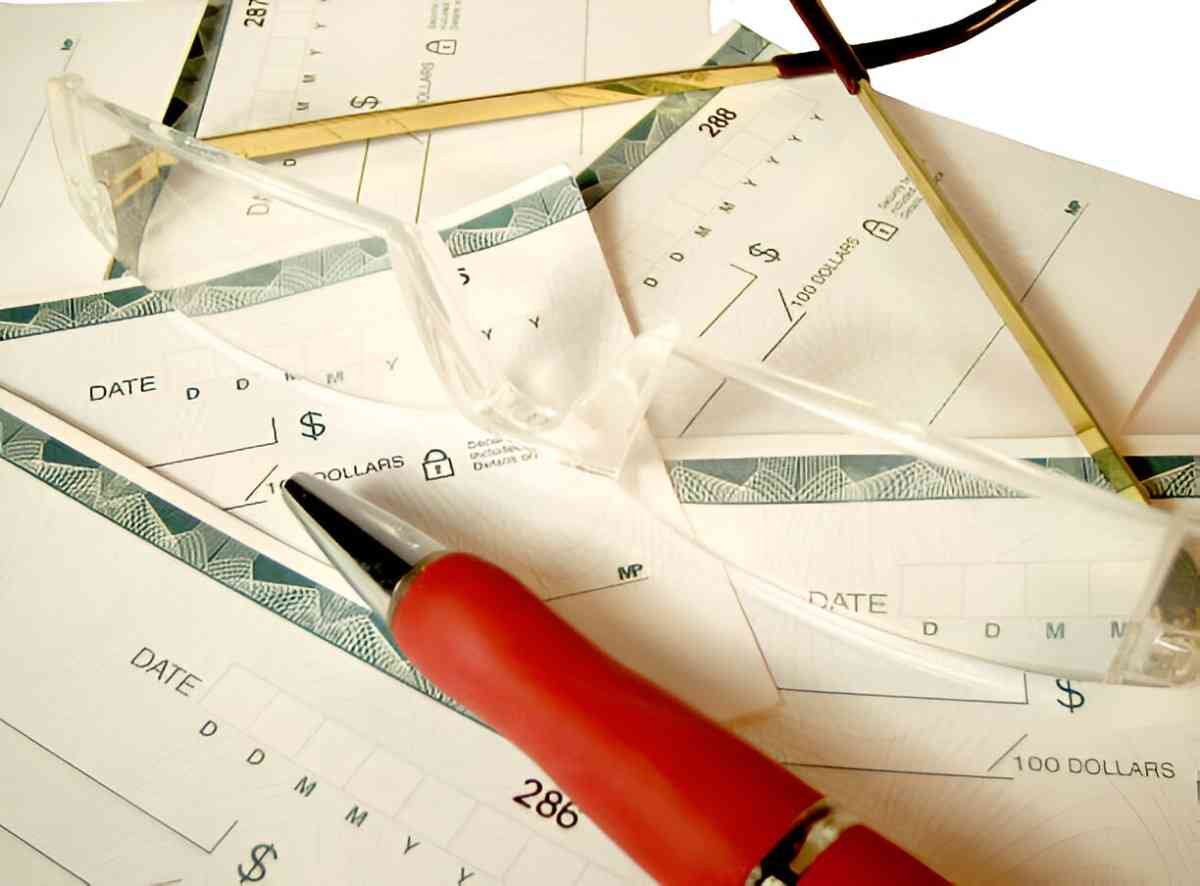
A stale cheque is a cheque that has not been cashed or deposited within a specific time frame, usually six months from the date it was issued. After this period, banks may refuse to honor the cheque, considering it “stale.” The term “stale” here doesn’t mean the cheque is invalid or fraudulent; it simply indicates that the cheque is old and may no longer be reliable for processing.
For example, if I write a cheque on January 1, 2023, and the recipient tries to deposit it on July 2, 2023, the bank might flag it as stale. This doesn’t mean the funds are unavailable or the cheque is void, but the bank may require additional verification before processing it.
Why Do Stale Cheques Exist?
Stale cheques exist primarily to protect both the issuer and the bank. Over time, financial circumstances can change. The issuer’s account balance might fluctuate, or the account might even be closed. By setting a time limit, banks reduce the risk of processing cheques that could lead to overdrafts or other complications.
From my experience, stale cheques often arise in situations where cheques are forgotten, lost, or delayed. For instance, a business might issue a refund cheque to a customer who forgets to deposit it. Months later, the customer finds the cheque and tries to cash it, only to discover it’s stale.
The Legal and Financial Implications of Stale Cheques
In the United States, the Uniform Commercial Code (UCC) governs the rules around cheques, including stale cheques. According to the UCC, banks are not obligated to honor a stale cheque, but they may choose to do so at their discretion. This means that if I deposit a stale cheque, the bank might still process it, but they could also return it unpaid.
From a financial perspective, stale cheques can create complications for both the issuer and the recipient. For the issuer, an uncashed cheque means the funds remain in their account, which can distort financial statements and cash flow projections. For the recipient, a stale cheque might mean delayed access to funds or the need to request a new cheque.
How to Handle Stale Cheques
If you’re dealing with a stale cheque, there are a few steps you can take:
- Contact the Issuer: The first step is to reach out to the person or business that issued the cheque. Explain that the cheque has gone stale and request a replacement. Most issuers will be willing to cancel the old cheque and issue a new one.
- Verify with the Bank: If you’re unsure whether the bank will honor the cheque, contact them directly. Some banks may process stale cheques after verifying the issuer’s account details.
- Update Your Records: If you’re the issuer, make sure to update your financial records to reflect the stale cheque. This might involve reversing the original transaction or adjusting your cash flow projections.
Mathematical Perspective: Calculating the Impact of Stale Cheques
Let’s dive into the numbers to understand the financial impact of stale cheques. Suppose I issue a cheque for \$1,000 on January 1, 2023. The recipient forgets to deposit it, and it becomes stale on July 1, 2023. During this period, the \$1,000 remains in my account, earning interest at an annual rate of 2%.
The interest earned over six months can be calculated as:
\text{Interest} = \$1,000 \times \frac{2\%}{2} = \$10While \$10 might seem insignificant, consider a scenario where a business issues hundreds of cheques annually. If 10% of these cheques go stale, the cumulative impact on cash flow and interest earnings can be substantial.
Comparison: Stale Cheques vs. Post-Dated Cheques
It’s easy to confuse stale cheques with post-dated cheques, but they serve different purposes. A post-dated cheque is one that is written with a future date, while a stale cheque is one that is past its acceptable deposit period.
| Aspect | Stale Cheque | Post-Dated Cheque |
|---|---|---|
| Definition | A cheque not cashed within six months | A cheque dated for a future date |
| Bank Policy | May not be honored after six months | Cannot be cashed before the stated date |
| Common Use Cases | Forgotten or lost cheques | Scheduled payments or instalments |
Real-Life Example: Stale Cheques in Business
Let’s say I run a small business that issues cheques to suppliers. One of my suppliers loses a \$5,000 cheque I issued in March 2023. They find it in September 2023 and try to deposit it, but the bank flags it as stale.
To resolve this, I cancel the original cheque and issue a new one. However, during the six-month period, the \$5,000 remained in my account, affecting my cash flow management. If I had invested that amount in a short-term investment with a 3% annual return, I could have earned:
\text{Interest} = \$5,000 \times \frac{3\%}{2} = \$75While \$75 might not break the bank, it highlights the importance of tracking cheques and ensuring they are cashed promptly.
Preventing Stale Cheques
Prevention is always better than cure. Here are some strategies I’ve found effective in minimizing the occurrence of stale cheques:
- Electronic Payments: Switching to electronic payment methods like ACH transfers or wire transfers can eliminate the risk of stale cheques altogether.
- Regular Follow-Ups: If you’ve issued a cheque, follow up with the recipient to ensure it’s been deposited.
- Clear Communication: When issuing a cheque, inform the recipient of the importance of depositing it promptly.
- Automated Systems: Use accounting software that tracks issued cheques and alerts you when they approach the six-month mark.
The Role of Banks in Handling Stale Cheques
Banks play a critical role in managing stale cheques. While they are not obligated to honor stale cheques, many banks will process them after verifying the issuer’s account details. However, this process can be time-consuming and may involve additional fees.
From my interactions with banks, I’ve learned that their policies on stale cheques can vary. Some banks may require the issuer to confirm the validity of the cheque, while others may simply return it unpaid. It’s essential to understand your bank’s specific policies to avoid surprises.
The Psychological Impact of Stale Cheques
Beyond the financial and legal aspects, stale cheques can also have a psychological impact. For the recipient, discovering that a cheque is stale can be frustrating, especially if they were counting on the funds. For the issuer, it can create a sense of uncertainty, as they may not know whether the cheque will ever be cashed.
In my experience, clear communication and proactive management can mitigate these psychological effects. By addressing the issue promptly and transparently, both parties can maintain a positive relationship.
Conclusion
Stale cheques might seem like a minor issue, but they can have significant financial, legal, and psychological implications. By understanding what they are, why they occur, and how to handle them, you can avoid unnecessary complications and ensure smooth financial transactions.