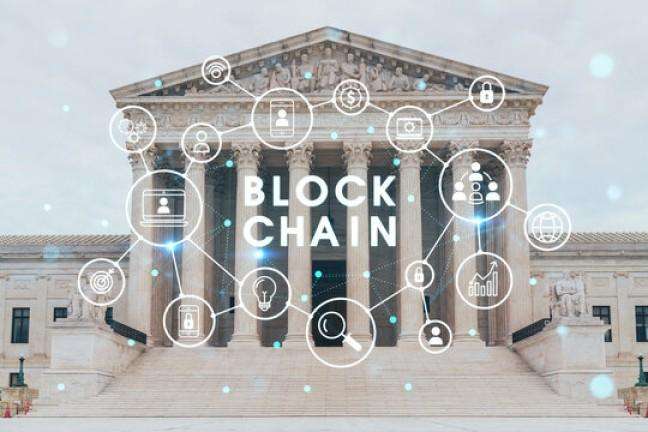
Blockchain technology has become widely known for its role in supporting cryptocurrencies like Bitcoin and Ethereum. However, its potential stretches far beyond the realm of digital currencies. As I explored this field, I began to realize the vast range of applications blockchain could have in various industries. From securing digital identities to improving transparency in supply chains, the possibilities are exciting and worth exploring. In this article, I will walk you through some of the alternative uses for blockchain, highlighting its strengths and how it can revolutionize industries beyond finance.
Table of Contents
What is Blockchain and Why Does It Matter?
At its core, blockchain is a decentralized and distributed digital ledger that records transactions across multiple computers. This ensures that records cannot be altered retroactively without the alteration being detected. Because blockchain is secure, transparent, and immutable, it has opened up new avenues for its use in areas beyond just digital currencies.
When people first hear about blockchain, the immediate connection is often to Bitcoin or other cryptocurrencies. However, its uses extend much further. By looking at blockchain through a broader lens, I found many creative and transformative ways it is being applied. Let’s explore some of the alternative uses of blockchain that are gaining traction.
1. Supply Chain Transparency and Efficiency
One of the most significant problems in modern supply chains is transparency. Goods pass through multiple stages, often with little visibility into their journey. Blockchain can change this by providing an immutable record of every step a product takes from production to delivery. I’ve seen numerous examples where this technology has been implemented to track everything from food to luxury goods.
For instance, consider the agricultural industry. By using blockchain, each stage of food production—from the farm to the table—can be logged on a digital ledger. This increases accountability and reduces fraud. It also helps with food safety; if there’s an issue with a batch of produce, it’s much easier to trace the source and remove the problematic items quickly.
Here’s a simple example:
| Stage | Traditional Supply Chain | Blockchain-Enabled Supply Chain |
|---|---|---|
| Sourcing | Manual records | Real-time updates on ledger |
| Manufacturing | Paper-based tracking | Transparent production logs |
| Distribution | Limited traceability | Full transparency from source |
| Retail | Potential counterfeit risk | Immutable ownership records |
This table shows how blockchain enhances the supply chain process by providing real-time data and transparent records that are not prone to alteration.
2. Digital Identity Management
As our lives move increasingly online, protecting personal data becomes more important than ever. Blockchain can be used to create decentralized digital identities that provide secure and transparent control over one’s personal information. I find it particularly interesting how this can help reduce identity theft.
With blockchain, individuals could store their personal details in a secure, decentralized ledger, meaning they would have sole control over their data. No more worrying about companies storing and misusing personal information. Blockchain’s encryption ensures that only authorized parties can access the information, and its immutable nature means records can’t be altered without detection.
3. Voting Systems and Election Integrity
We’ve all heard about election security issues, both in terms of voter fraud and the transparency of vote counting. Blockchain can provide a solution by enabling secure, transparent, and tamper-proof voting systems. Voter identities would be verified through blockchain-based IDs, and each vote could be securely logged on the ledger.
Let’s break it down with a comparison table:
| Voting Process | Traditional Voting | Blockchain Voting |
|---|---|---|
| Voter Identification | Paper-based, vulnerable to fraud | Verified through digital ID on blockchain |
| Vote Casting | Paper ballots or electronic systems prone to hacking | Digital votes securely logged on blockchain |
| Vote Counting | Subject to human error, manipulation risk | Automated, tamper-proof counting |
| Results Transparency | Delayed, often opaque | Real-time and fully transparent |
By using blockchain, election systems could become more efficient, secure, and transparent, providing voters with confidence in the results.
4. Smart Contracts for Automation
Another application of blockchain that I find fascinating is smart contracts. These are self-executing contracts with the terms of the agreement directly written into lines of code. Smart contracts automatically execute actions once pre-agreed conditions are met, reducing the need for intermediaries and lowering transaction costs.
For example, in a real estate transaction, once the buyer transfers the funds, the smart contract can automatically transfer ownership of the property. This eliminates the need for lawyers and notaries, streamlining the process.
Here’s a comparison to show the benefits:
| Process | Traditional Contract | Blockchain Smart Contract |
|---|---|---|
| Execution Time | Can take days/weeks | Instant execution once conditions are met |
| Intermediaries | Requires lawyers, notaries | No intermediaries required |
| Costs | High transaction fees | Lower transaction costs |
| Transparency | Opaque terms | Clear and immutable terms on the blockchain |
Smart contracts can be used in various industries, including real estate, insurance, and legal sectors, for automating agreements and reducing the need for intermediaries.
5. Healthcare Data Management
The healthcare industry is notorious for dealing with fragmented and siloed data. Blockchain can provide a unified and secure way to manage medical records, making it easier for healthcare providers to access the information they need in real time. Blockchain’s transparency and immutability ensure that patient data is accurate and tamper-proof.
Consider this scenario: A patient visits multiple healthcare providers. Each provider needs access to the patient’s medical history, but due to data fragmentation, this process can be cumbersome. With blockchain, the patient’s health records can be securely stored and shared among healthcare providers in real time, with the patient’s consent. This enhances treatment and minimizes errors.
Here’s a simplified illustration:
| Process | Traditional Healthcare | Blockchain-Enabled Healthcare |
|---|---|---|
| Data Accessibility | Fragmented, slow | Real-time access across providers |
| Data Security | Vulnerable to breaches | Encrypted and tamper-proof records |
| Patient Control | Limited control | Full control with consent management |
Blockchain also allows for the implementation of decentralized clinical trials. Researchers can securely share trial data without the risk of falsification, ensuring more reliable results.
6. Intellectual Property Protection
As a creator or innovator, protecting intellectual property is vital. Blockchain offers a solution by providing a transparent, tamper-proof record of ownership. By registering intellectual property (such as patents, trademarks, or copyrights) on a blockchain, creators can prove ownership and prevent unauthorized use of their work.
The process is simple: once an intellectual property asset is registered on the blockchain, an immutable record is created, which serves as evidence of ownership. This can help resolve legal disputes more efficiently, as the blockchain provides irrefutable proof of who owns the rights to the asset.
7. Decentralized Finance (DeFi) and Beyond
Although DeFi is an area directly linked to blockchain, its potential extends beyond just cryptocurrency exchanges and lending platforms. For instance, blockchain could be used for insurance markets. By using blockchain, insurers can automate claims processing, reducing administrative costs and fraud. It could also be used to create decentralized autonomous organizations (DAOs), where decisions are made via consensus rather than a central authority.
Let’s compare traditional insurance with blockchain-enabled insurance:
| Process | Traditional Insurance | Blockchain-Enabled Insurance |
|---|---|---|
| Claims Processing | Time-consuming, prone to fraud | Automated and secure via smart contracts |
| Transparency | Limited visibility | Real-time, transparent claims tracking |
| Costs | High administrative costs | Lower transaction costs |
DeFi’s broader application could allow for more innovative financial products to be created, bringing inclusivity to the global financial system.
8. Energy Trading and Distribution
Blockchain can also be applied to the energy sector. By creating decentralized platforms, blockchain enables peer-to-peer energy trading. For example, homeowners with solar panels could sell excess energy to their neighbors without the need for intermediaries. Smart contracts would ensure that energy transactions are securely processed and paid for automatically.
Here’s an illustration:
| Process | Traditional Energy Market | Blockchain-Enabled Energy Market |
|---|---|---|
| Energy Trading | Managed by centralized grid | Peer-to-peer trading between producers and consumers |
| Transaction Processing | Slow and costly | Instant, automated through smart contracts |
| Transparency | Limited visibility | Transparent and tamper-proof transactions |
Blockchain in energy trading reduces costs, increases efficiency, and promotes renewable energy use.
9. Charity and Donation Tracking
I’m always interested in how blockchain can help organizations improve transparency and trust. Charitable donations are often marred by concerns about how funds are used. Blockchain can solve this issue by tracking donations in real-time and ensuring that funds are used as intended.
When donations are made, each transaction is recorded on a blockchain, creating a transparent and immutable ledger. This allows donors to track exactly how their money is spent, increasing trust in charitable organizations and encouraging more donations.
Conclusion
Blockchain technology is more than just a foundation for cryptocurrency. Its applications across various industries are already making waves, improving transparency, reducing costs, and enabling new ways of conducting business. By decentralizing control and ensuring the integrity of data, blockchain has the potential to revolutionize many aspects of our lives, from healthcare to energy markets, and even voting systems.
As I continue to explore blockchain’s potential, it’s clear that we are only scratching the surface of its capabilities. With its ability to create secure, transparent, and efficient systems, blockchain will undoubtedly become a transformative tool in many sectors in the years to come.