
Introduction
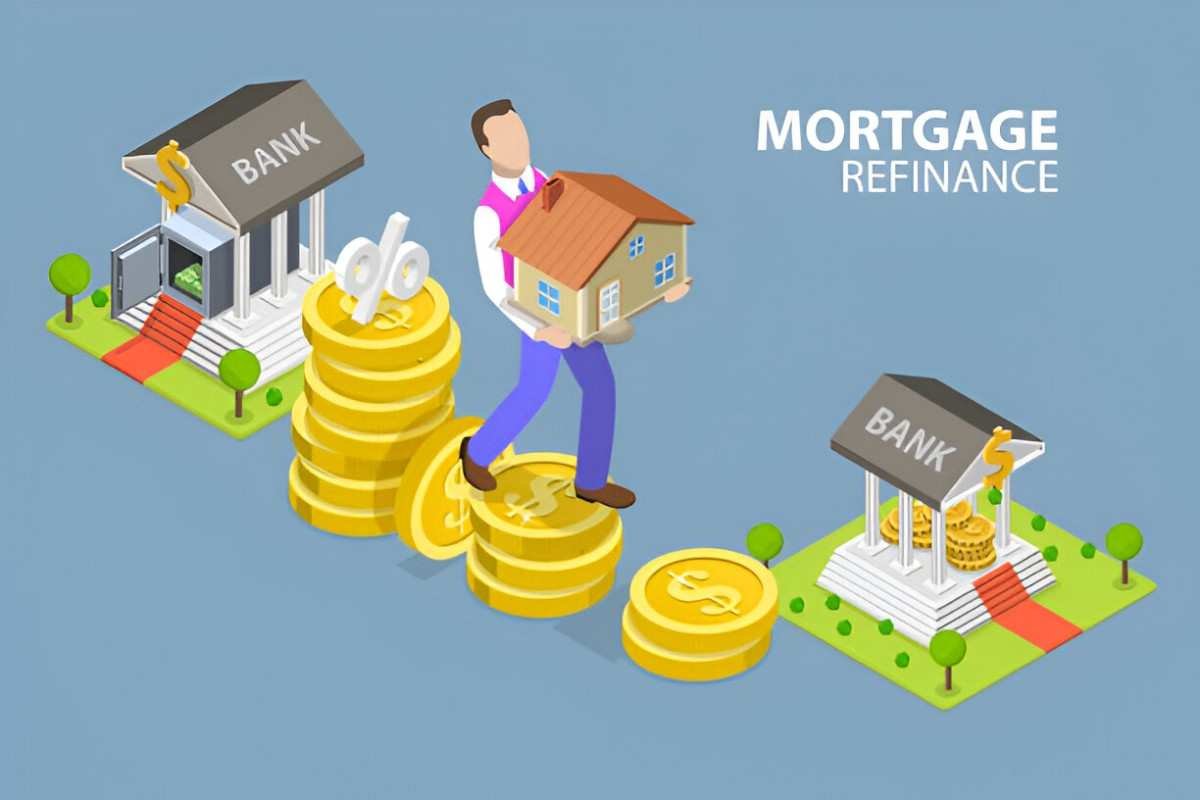
The decision to refinance a mortgage is a significant financial calculation. It involves trading your existing loan for a new one, with the goal of securing a lower interest rate, reducing your monthly payment, shortening your loan term, or tapping into your home’s equity. The lender you choose becomes your partner in this endeavor, and the selection process demands more than a simple comparison of advertised rates. The best refinance company for you is not a universal champion but the one whose strengths—be it technological efficiency, customer service, product variety, or pure cost—align perfectly with your financial profile and personal preferences.
This analysis moves beyond static rankings. We will dissect ten leading refinance lenders, categorizing them by their operational models and core competencies. You will learn which companies excel in digital speed, which offer the lowest rates for pristine credit, and which provide the hands-on guidance valued by many borrowers. Our goal is to equip you with a framework for evaluation, transforming you from a passive rate-shopper into a strategic decision-maker.
The modern mortgage landscape is a hybrid of legacy banks, agile online-only lenders, and member-focused credit unions. Understanding this ecosystem is the first step toward identifying your ideal fit.
Table of Contents
The Lender Evaluation Framework: Beyond the Interest Rate
While the note rate is the most visible cost, it is not the only one. A thorough evaluation requires a multi-factor analysis:
- Annual Percentage Rate (APR): This is the most critical number for comparison. The APR incorporates the interest rate plus most upfront fees (origination charges, discount points, etc.), expressing the total cost of the loan as a yearly rate. A lower APR typically indicates a better deal.
- Fees and Closing Costs: These can include application, appraisal, title insurance, and recording fees. Some lenders offer “no-closing-cost” options, which roll these fees into a slightly higher interest rate.
- Customer Service & Communication: The refinance process is complex and document-intensive. A lender’s responsiveness and clarity can mean the difference between a smooth close and a stressful ordeal.
- Process Efficiency & Technology: Digital platforms streamline application, document upload, and progress tracking, often significantly reducing the time to close.
- Loan Product Variety: Does the lender offer the specific loan type you need? This includes conventional, FHA, VA, jumbo, and adjustable-rate mortgages (ARMs).
Analysis of Top Refinance Lenders
The following ten companies represent a cross-section of the market, each demonstrating excellence in a particular niche.
1. Better.com: The Digital Pure-Play
- Model: An entirely online mortgage lender.
- Strengths: Better’s tech-driven, low-overhead model allows it to offer highly competitive rates and guaranteed upfront pricing. Its online application is intuitive and transparent, often resulting in a faster closing time. It is a top contender for cost-conscious, tech-savvy borrowers.
- Considerations: The lack of physical branches means no in-person support. The experience is entirely digital and remote.
- Ideal For: Borrowers with straightforward financial situations who prioritize low cost and digital efficiency and are comfortable with a self-service model.
2. Rocket Mortgage (Quicken Loans): The Market Leader
- Model: The nation’s largest mortgage lender, operating primarily online and via phone.
- Strengths: Rocket Mortgage pioneered the digital mortgage application. Its platform is user-friendly, and it offers a vast array of loan products, including its unique “YOURgage” with customizable term lengths. Its scale allows for strong operational reliability.
- Considerations: Rates and fees are not always the absolute lowest, as the cost of its extensive marketing and brand presence is factored in.
- Ideal For: Borrowers who value a seamless, guided digital experience, a wide product selection, and brand-name reassurance over the rock-bottom price.
3. loanDepot: The Blended Approach
- Model: A hybrid of digital technology and a network of local loan officers.
- Strengths: loanDepot provides the convenience of an online application (mello smartloan) with the option for personal, local support. This model can be ideal for those who want a tech-forward process but may have questions best answered by a human.
- Considerations: The experience can vary depending on the quality of the local loan officer you are assigned.
- Ideal For: Borrowers seeking a balance of digital convenience and access to personal guidance.
4. SoFi: The Prime Borrower Specialist
- Model: An online personal finance company focusing on high-quality borrowers.
- Strengths: SoFi typically offers compelling rates to borrowers with excellent credit (often 680+ FICO) and stable income. Members gain access to additional benefits like career coaching and financial planning. The process is fully online and efficient.
- Considerations: Eligibility requirements are more stringent. It may not be the best option for those with complex income situations or lower credit scores.
- Ideal For: Highly qualified borrowers with strong credit profiles who appreciate a modern, member-focused platform.
5. Wells Fargo: The Traditional Banking Giant
- Model: A national bank with a vast branch network and a massive mortgage operation.
- Strengths: Existing Wells Fargo customers may benefit from relationship discounts and the convenience of managing all their accounts in one place. They offer a full suite of loan products and in-person service.
- Considerations: The process may be less streamlined and slower than with digital lenders. Their historical regulatory issues are a factor some borrowers consider.
- Ideal For: Existing customers who value an integrated banking relationship and prefer the option of in-person service.
6. Chase Bank: The Relationship-Based Lender
- Model: Another large national bank with a significant physical presence.
- Strengths: Chase offers competitive rates, particularly for its existing Premier Plus or Private Client customers. It combines robust online tools with the option for branch-based consultations.
- Considerations: Like Wells Fargo, it may not always have the lowest rates for non-customers, and the process can be less agile than online lenders.
- Ideal For: Existing Chase premium customers seeking a integrated banking experience.
7. Navy Federal Credit Union: The Member-Owned Advantage (Military)
- Model: A not-for-profit credit union serving military members, veterans, and their families.
- Strengths: Navy Federal is renowned for its exceptionally competitive rates and low fees, a benefit of its member-owned structure. Its customer service is highly rated, and it possesses deep expertise in VA loans.
- Considerations: Membership is strictly limited to the military community.
- Ideal For: Eligible military members, veterans, and families seeking the lowest possible cost and exceptional, dedicated service.
8. PenFed Credit Union: The Broad-Access Rate Leader
- Model: A large credit union with broad eligibility (most can join by opening a savings account).
- Strengths: PenFed consistently advertises some of the lowest market rates for conventional loans. Its Power Rewards program can help reduce closing costs. It is a prime destination for rate-shoppers.
- Considerations: The application and customer service experience may not be as polished or seamless as with digitally-native lenders.
- Ideal For: Borrowers who are highly rate-sensitive and are willing to navigate a less flashy process to secure a top-tier interest rate.
9. Northpointe Bank: The Niche Term Expert
- Model: A regional bank known for excellence in specific loan products.
- Strengths: Northpointe frequently tops industry surveys for having the lowest rates on 10-year and 15-year refinance loans. They are a superb option for borrowers focused on aggressively paying down their mortgage with a shorter term.
- Considerations: As a smaller player, they lack the brand recognition and may not offer the technological sophistication of larger companies.
- Ideal For: Borrowers specifically seeking a 10 or 15-year term who are hunting for the absolute lowest rate available.
10. Guaranteed Rate: The Tech-Enabled Retail Lender
- Model: A national retail mortgage lender with a strong technology platform.
- Strengths: Guaranteed Rate has invested heavily in its digital application and processing tools while maintaining a network of local loan officers. This combination offers a competitive tech-forward experience with a dedicated point of contact.
- Considerations: Being a retail lender, the experience can be dependent on the individual loan officer.
- Ideal For: Borrowers who want a strong online platform but also desire a dedicated loan officer to guide them through the process.
Comparative Analysis: A Hypothetical Scenario
To illustrate the trade-offs, consider a borrower with a 760 credit score refinancing a $400,000 conventional loan to a 30-year term.
- Table 1: Hypothetical Refinance Cost Comparison
Loan Amount: $400,000 | Term: 30 years | Loan Type: Conventional
| Lender Type | Example Lender | Interest Rate | APR | Est. Closing Costs | Monthly Payment (P&I) |
|---|---|---|---|---|---|
| Digital Lender | Better.com | 6.25% | 6.35% | $4,800 | $2,462 |
| Credit Union | PenFed CU | 6.125% | 6.28% | $5,200 | $2,430 |
| National Bank | Chase Bank | 6.375% | 6.50% | $5,600 | $2,495 |
Calculating the Breakeven Point:
The borrower must determine how long it will take for the monthly savings from a lower rate to exceed the higher closing costs.
Option: Choose PenFed (Lower Rate, Higher Cost) vs. Chase (Higher Rate)
- Monthly Savings: \text{\$2,495} - \text{\$2,430} = \text{\$65}
- Cost Difference: \text{\$5,600} - \text{\$5,200} = \text{\$400}
- Breakeven Point: \frac{\text{\$400}}{\text{\$65}} \approx 6.15\ \text{months}
If the borrower plans to stay in the home longer than 7 months, the PenFed loan is the more cost-effective choice over time. The APR provides a quick, standardized way to see this: 6.28% (PenFed) is a better deal than 6.50% (Chase).
The Strategic Selection Process
Your action plan for choosing the best refinance company should be methodical:
- Audit Your Financials: Know your credit score, home equity level (Loan-to-Value ratio), and debt-to-income ratio before you apply.
- Get Multiple Official Quotes: Secure formal Loan Estimates from at least three different types of lenders (e.g., one online, one credit union, one bank). The Loan Estimate format allows for direct comparison of APRs and fees.
- Read the Fine Print: Scrutinize Section A (Origination Charges) and Section B (Services You Cannot Shop For) on the Loan Estimate.
- Calculate Your Breakeven: Use the formula above to ensure the savings justify the costs within your planned time horizon in the home.
- Gauge the Intangibles: Read recent customer reviews focused on communication and reliability. Consider how much you value technology versus personal contact.
Conclusion
The quest for the best mortgage refinance company ends not with finding a single winner, but with successfully matching a lender’s strengths to your specific needs. The digital efficiency of Better.com, the member-focused value of PenFed, and the full-service relationship of Chase all have their place in the market. By applying a disciplined, analytical framework to your search, you elevate the process from mere price comparison to strategic financial planning. You empower yourself to select a partner that will not only provide a competitive loan but also ensure the journey to closing is as smooth and predictable as possible.


