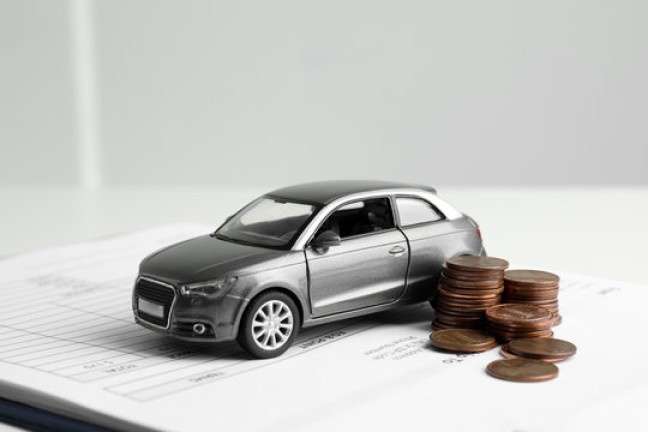
Buying a car is a big financial decision. Whether it’s your first car or an upgrade, figuring out how to pay for it is crucial. I’ll walk you through three common ways to finance a car: taking out an auto loan, leasing, and paying cash. Each method has its pros and cons, and the right choice depends on your financial situation and goals.
Table of Contents
1. Auto Loan
An auto loan is a popular way to finance a car. It allows you to spread the cost over several years while driving the car you want. When you take an auto loan, you borrow money from a lender and pay it back in monthly installments, which include interest.
How Auto Loans Work
When you take out an auto loan, the lender covers the cost of the car, and you agree to repay the amount over a set period, usually 36 to 72 months. The loan terms, including interest rate and monthly payments, depend on factors such as your credit score, income, and the lender’s policies.
Example Calculation:
- Car price: $30,000
- Loan term: 60 months (5 years)
- Interest rate: 5%
- Monthly payment: $566
| Loan Term (Months) | Interest Rate | Monthly Payment |
|---|---|---|
| 36 | 4.5% | $891 |
| 48 | 5.0% | $691 |
| 60 | 5.5% | $573 |
Pros of Auto Loans
- You own the car once the loan is paid off
- Fixed monthly payments make budgeting easier
- You can build your credit score with timely payments
Cons of Auto Loans
- Interest increases the total cost of the car
- Monthly payments can strain your budget
- The car’s value depreciates over time
2. Leasing a Car
Leasing is another option that works differently from buying. Instead of owning the car, you pay to use it for a specific period, usually 24 to 48 months. Once the lease term ends, you return the car or have the option to buy it.
How Leasing Works
When you lease a car, your payments cover the depreciation during the lease term, plus interest and fees. Leasing typically requires a lower monthly payment than a loan, but you don’t build equity in the car.
Example Calculation:
- Car price: $30,000
- Lease term: 36 months
- Money factor (interest equivalent): 0.0025
- Residual value: $18,000
- Monthly payment: $400
| Lease Term (Months) | Residual Value | Monthly Payment |
|---|---|---|
| 24 | $22,000 | $520 |
| 36 | $18,000 | $400 |
| 48 | $15,000 | $350 |
Pros of Leasing
- Lower monthly payments compared to a loan
- Newer cars with the latest features every few years
- Maintenance often covered under warranty
Cons of Leasing
- You don’t own the car
- Mileage limits and extra charges for exceeding them
- Early termination fees can be high
3. Paying Cash
Paying cash is the simplest way to finance a car. If you have enough savings, buying a car outright means you don’t have to worry about interest payments or monthly installments.
How Paying Cash Works
You pay the full purchase price upfront, avoiding the burden of debt. While it might seem like the best option, it’s important to consider whether tying up a large sum of money in a car makes financial sense.
Example Calculation:
- Car price: $30,000
- Down payment: $30,000
- Monthly payment: $0
| Payment Method | Interest Paid | Ownership Status |
|---|---|---|
| Cash | $0 | Immediate |
| Loan | Varies | After loan term |
| Lease | $0 | No ownership |
Pros of Paying Cash
- No monthly payments or interest
- Full ownership from day one
- No impact on your credit score
Cons of Paying Cash
- Large upfront cost
- Opportunity cost of using savings elsewhere
- Potential liquidity issues if unexpected expenses arise
Comparing the Three Financing Options
| Criteria | Auto Loan | Leasing | Paying Cash |
|---|---|---|---|
| Ownership | Yes, after term | No | Yes |
| Monthly Payment | High | Low | None |
| Interest Costs | Yes | No | No |
| Flexibility | Moderate | High | Low |
| Long-term Cost | Higher | Moderate | Lower |
Choosing the Right Option for You
When deciding how to finance your car, consider the following factors:
1. Your Financial Situation: If you have enough savings and want to avoid debt, paying cash might be best. If you prefer smaller monthly payments, leasing could be a better fit.
2. How Long You Plan to Keep the Car: If you like driving a new car every few years, leasing is a good option. If you plan to keep it for a long time, an auto loan or paying cash makes more sense.
3. Your Credit Score: If your credit score is high, you can get better loan terms, making financing more attractive. If your credit is low, leasing or paying cash might be better to avoid high interest rates.
Final Thoughts
Financing a car is a major decision that requires careful consideration. Whether you choose an auto loan, lease, or pay cash, each option has advantages and drawbacks. Assess your financial goals, budget, and lifestyle to determine the best route for you. Understanding the terms, costs, and benefits of each method helps you make an informed choice and drive with confidence.